

Football’s trickiest rules made simple: From new goalie rules to handball and offside

Football’s Laws of the Game are always changing. Since the rules were first created, the groups in charge have worked hard to update and improve them.
Fans, players, and referees often have to get used to new rules. For example, just last season, the idea that a corner could be given if a goalkeeper wastes time would have seemed odd.
The 2026/27 Laws of the Game introduced that change and many others. So, what are the latest rules on offside, handball, and red cards? And how do they work on the field?
Handball rules have gotten tricky with video assistant referees (VAR), but the basic rule is simple. A handball happens if a player touches the ball with their hand or forearm on purpose, or if they make their body “unnaturally bigger” to do so.
There are exceptions: accidental handball can still be an offense if it immediately leads to a goal. Since 2024/25, the Premier League says handball doesn’t count when the ball hits a player’s arm they’re using for support on the ground.
Also, handball doesn’t happen if a player plays the ball off their own or a teammate’s arm. Referees consider how close and where the ball came from.
One memorable moment: On October 31, 2026, Leeds United’s Dominic Calvert-Lewin scored, but VAR ruled he’d accidentally used his hand, so the goal was canceled.
Being in an offside position doesn’t always mean offside. According to Law 11, if a defender deliberately tries to pass, control, or clear the ball, an attacker who was offside can be played onside.
This rule also applies even if the defender’s attempt fails. But if the ball just deflects or a player tries to save the ball, offside still counts.
A famous example happened in January 2021: Villa defender Tyrone Mings deliberately tried to control the ball, which allowed Man City’s Rodri, who was offside, to steal it and help set up a goal.
DOGSO, or denial of an obvious goalscoring opportunity, is often misunderstood. It’s not just about “last man” fouls or professional fouls.
There are three main types of DOGSO resulting in a red card: a deliberate handball to stop a goal; a non-deliberate handball outside the box; or a foul outside the penalty area that stops a clear scoring chance.
There’s a fourth case where a red card still applies if a player doesn’t seriously try to play the ball inside the penalty area, even though usually it would just be a penalty and a yellow card.
Serious foul play is always a red card.
A strange example came in February 2026 during a Liverpool vs. Man City game where a chaotic moment saw a goal disallowed and a player sent off for DOGSO after a tangle between Erling Haaland and Dominik Szoboszlai.
Time-wasting rules around goalkeepers have also changed. Now, instead of six, goalkeepers have eight seconds to release the ball. If they take too long, the opposing team gets a corner.
This started in the 2025/26 season, with referees counting down the final five seconds.
Burnley’s goalkeeper Martin Dubravka was the first in the Premier League to be caught by this rule in August 2025 during a match against Tottenham.
Also, for goal kicks and throw-ins, players have five seconds to restart. If they take too long, the other team gets the ball.
This countdown is managed by referees and depends on when they feel a team is clearly delaying the game. Because of this, it sometimes confuses players and fans. So far, no big Premier League penalties have come from this rule.
There was an earlier attempt to reduce time-wasting with substitutions by having players leave the pitch at the closest point. That didn’t work well.
The new rule from 2026/27 is stricter. Players have 10 seconds to leave the pitch after being substituted. If they don’t, the new player must wait one minute and get the referee’s permission to come on.
There are exceptions, like if a player can’t leave quickly due to safety, injury, or security reasons.
The first player caught by this rule was Will Lankshear in August 2025, though it hasn’t caused major issues yet.
Penalty rules were updated too. Now, if a penalty taker accidentally touches the ball twice but still scores, the penalty is retaken.
Before, a double-touch—even by accident—meant an indirect free kick to the other team, no matter what.
If the penalty misses during a double-touch, it’s still an indirect free kick.
If the double-touch is deliberate and the penalty is scored, the kick also goes to the opposition.
This was updated after Julian Alvarez scored a penalty in the 2025 Champions League shoot-out but was ruled to have double-touched the ball accidentally.
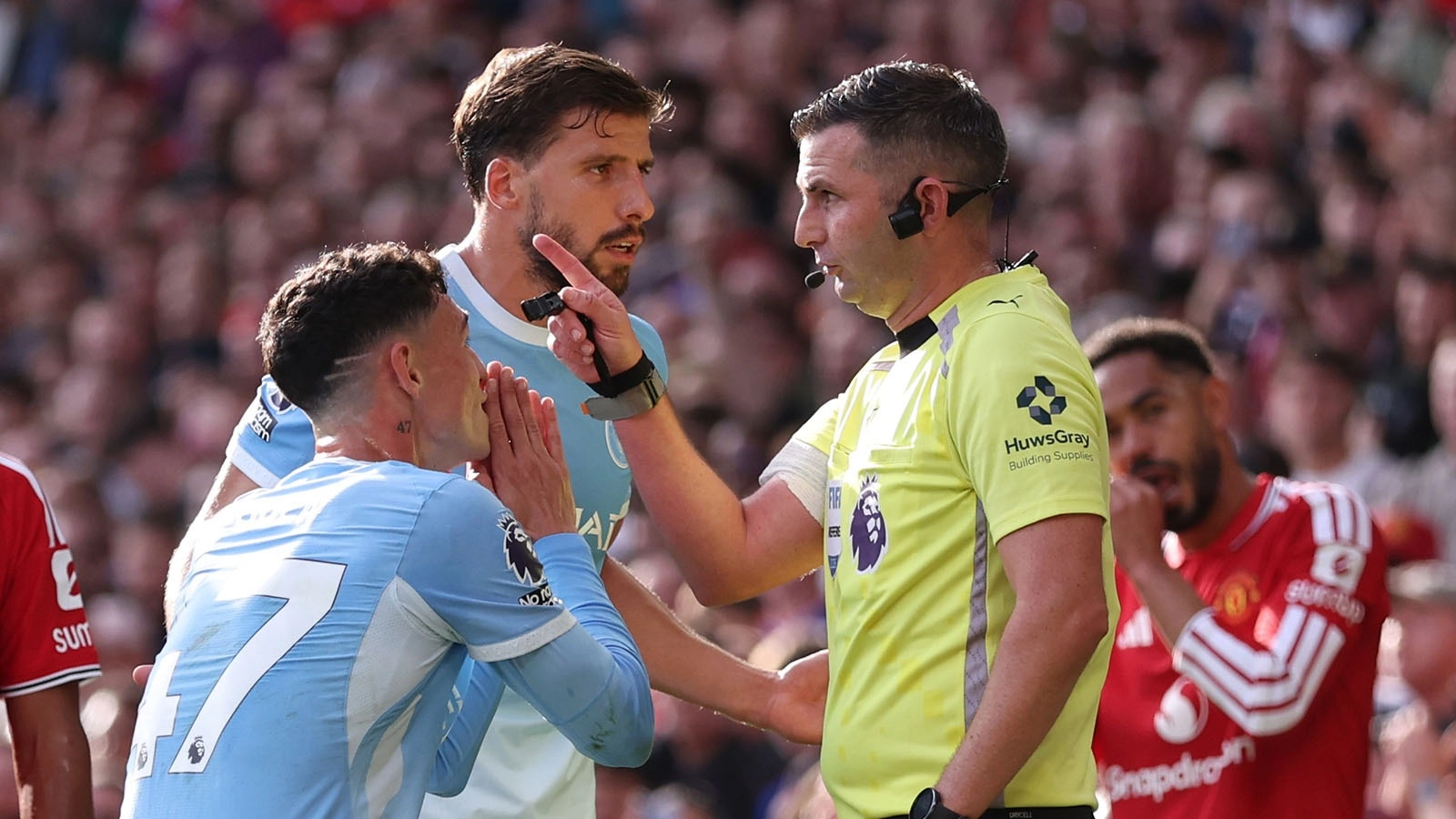
VAR changes arrived in the 2026 World Cup and Premier League, allowing replays of second yellow card decisions—but only to overturn wrongly given second yellows.
VAR can’t suggest second yellow cards if the referee didn’t initially give them.
So far, no major Premier League decisions have used this, since clear evidence is needed.
The Premier League is also testing a rule to stop goalkeepers faking injuries to waste time. If a keeper gets treatment, the team must take one outfield player off the pitch for one minute.
If no player is chosen in 10 seconds, the team captain must leave instead.
There are exceptions for real injuries or fouls.
So far, this trial hasn’t caused big problems, suggesting it’s working well.
Set pieces have become super important in the Premier League, with teams using clever routines to block goalkeepers and defenders.
While the Laws of the Game haven’t changed here, referees now focus more on penalizing attackers who make contact with the goalkeeper without trying to play the ball.
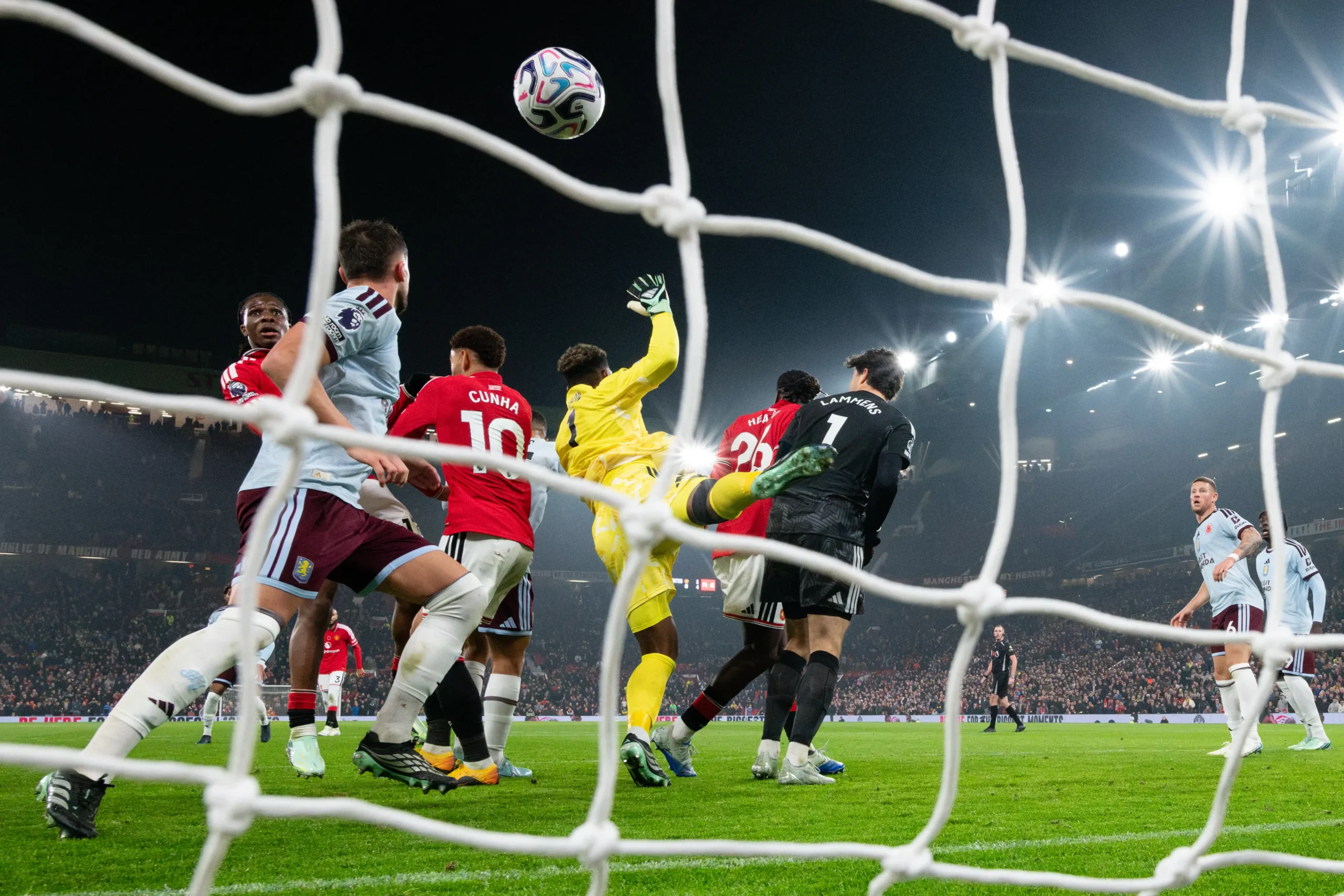
A memorable case was a 4-4 game between Manchester United and Aston Villa in November 2026, where tiny contact between United’s keeper and Villa’s keeper during a corner caused controversy as United scored a late equalizer.
Football is guided by the official Laws of the Game, often called the “rules.” These include 17 laws covering things like offside (Law 11), fouls (Law 12), and penalties (Law 14).
The International Football Association Board (IFAB) sets these laws, with eight votes: four from FIFA and one each from the UK’s four football associations (England, Scotland, Northern Ireland, and Wales).
Individual leagues and competitions manage some specific details for referees and sometimes choose not to adopt all parts of the Laws of the Game.
In short, football’s rules keep evolving to make the game fairer and more exciting for everyone!