
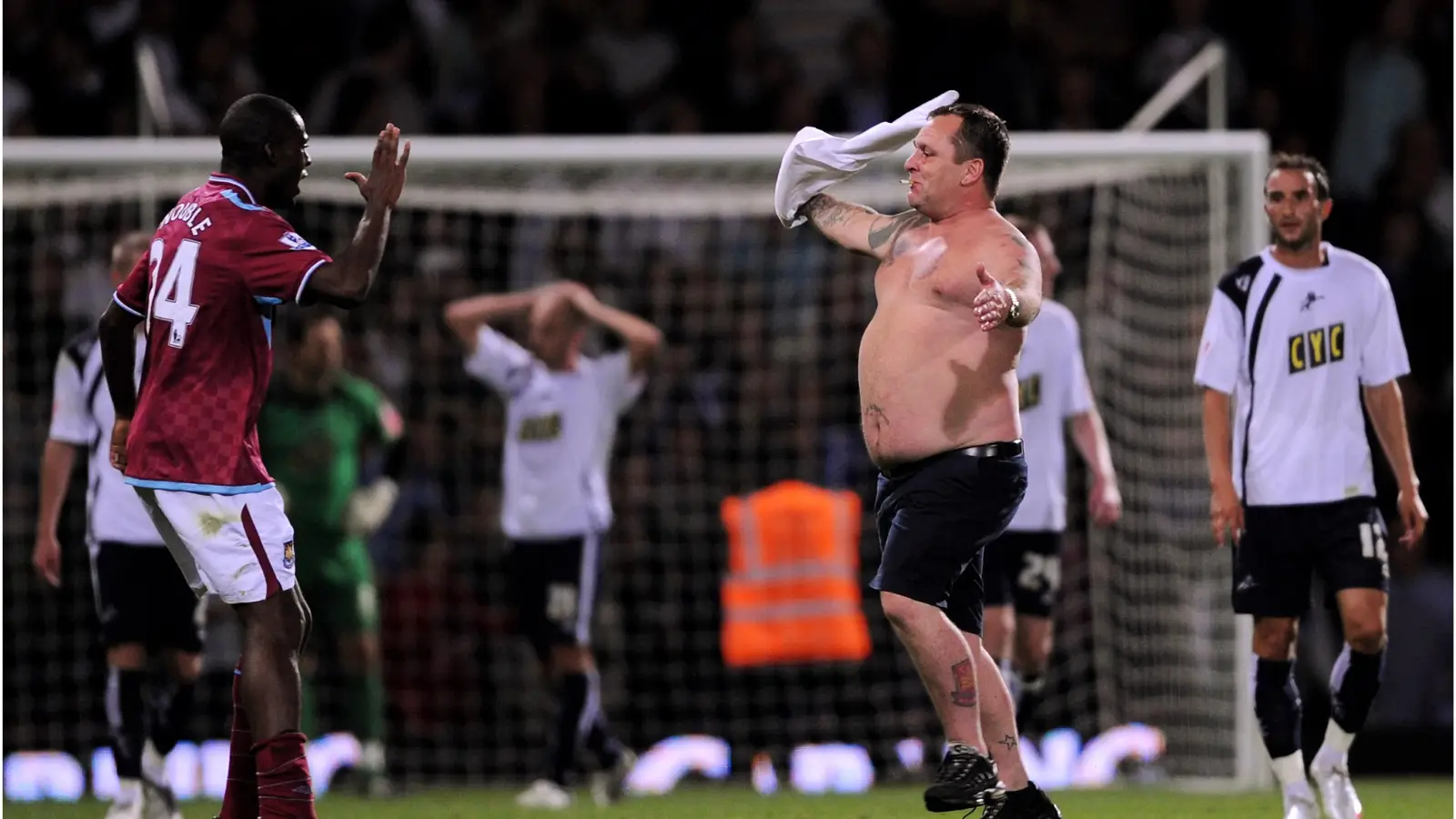
“We could hear the police sirens” – What it was really like during the famous West Ham vs Millwall riot
If you asked any football fan in the UK to name the biggest rivalries, chances are Millwall vs. West Ham would be right at the top. It’s one of the oldest rivalries in the sport, dating back to 1899 when Thames Ironworks played Millwall Athletic. This Saturday marks the 100th time these teams will face off in the Dockers Derby, their first meeting since 2012.
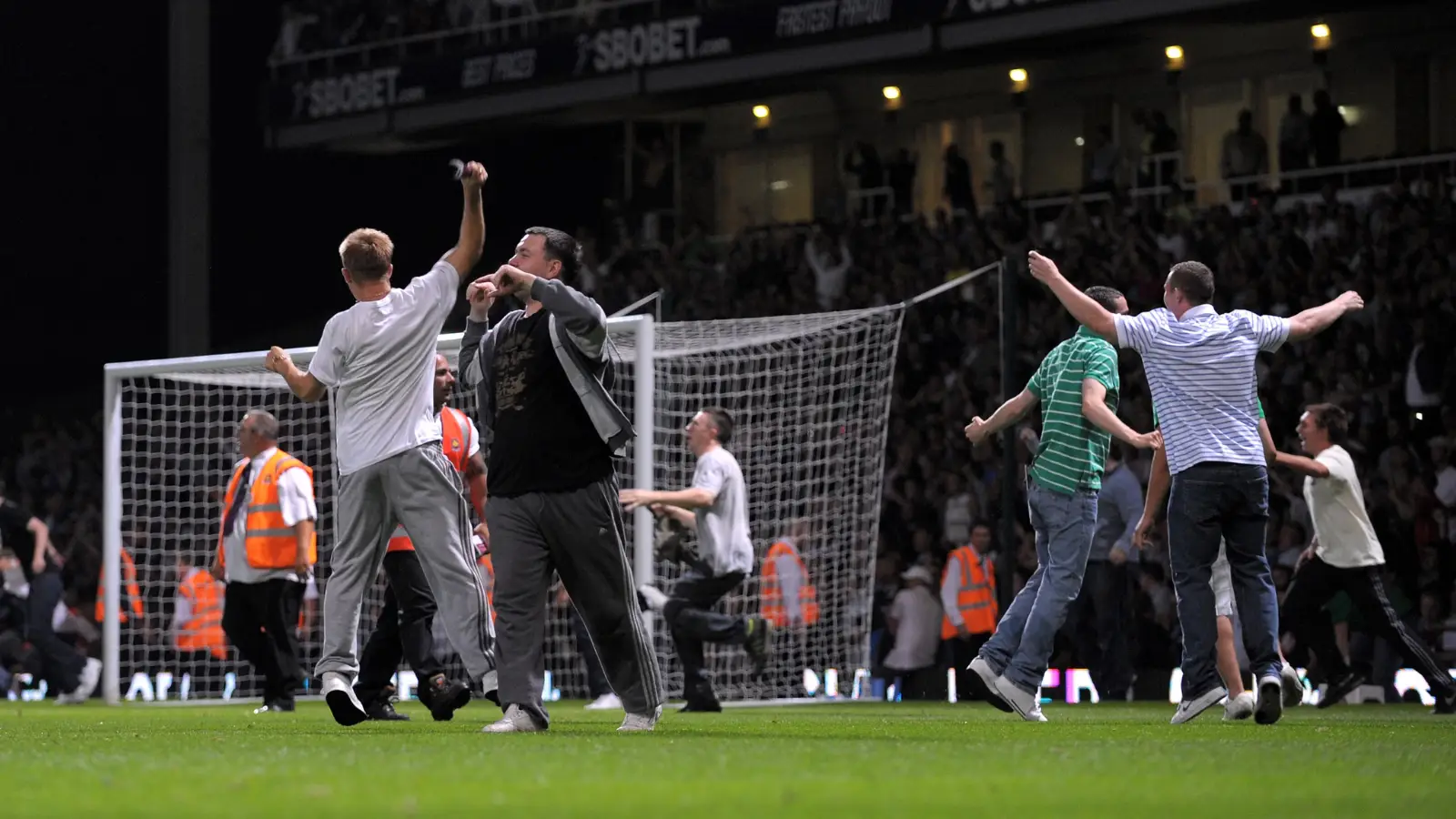
This rivalry is known not just for the football but also for its history of hooliganism, often featured in books and films about football’s rough side. Sadly, there have been serious incidents over the years, including the deaths of fans and the infamous 2009 Upton Park riot, which even has its own Wikipedia page. That match ended with West Ham winning 3-1 after extra time, but it’s remembered more for the violence, pitch invasions, and chaos. Afterward, many fans were banned for life, and officials urged that the teams should avoid meeting in cup matches again.
Gavin Muge, the assistant referee that day, knew it was going to be a unique game from the moment he heard how he’d get there. Normally, officials travel alone, but for this match, they had to meet at a hotel and be escorted in on a minibus. On the way, shopkeepers were putting up barriers to protect their windows, and the area around Upton Park Stadium was being boarded up. Sirens could be heard from miles away, and police were everywhere – 500 officers that day, compared to about 100 for a typical big game.
Because of the tension, Millwall’s away fans were limited to half the usual number. But that didn’t make things any safer. Many fans ended up outside the stadium with little supervision. When kick-off came, the crowd felt different – fewer families and kids, more adults dressed in casual clothes.
Surprisingly, the match itself went on with few problems. The officials managed to keep things flowing and calm, but that changed near the end of regular time. Millwall scored first, but West Ham equalized late, sparking the first pitch invasion. Fans ran onto the pitch, mostly to film and tease the opposing fans. The players urged them to return to their seats so the game could continue, but it went to extra time instead.
Early in extra time, West Ham took the lead with a penalty. This sparked an even bigger pitch invasion, with fans flooding the pitch and Millwall’s players retreating to the dressing room. The officials stayed calm and followed instructions to stay in the center circle, knowing the fans weren’t after them but rather each other.
Getting control back was tough, but everyone agreed it was important to finish the game. Abandoning it would have caused chaos outside, with thousands of fans suddenly leaving the stadium and overcrowding public transport. After a delay, the match resumed, and West Ham scored again quickly to seal their win. The Millwall players were understandably frustrated, but the officials felt they’d done their best to complete the game safely.
Getting home was another challenge. Muge and the team waited until the stadium was clear and didn’t leave until after midnight. Their minibus even had to follow the Millwall team bus under police escort for safety. By the time Muge got home, it was 3 a.m. He only managed a short sleep before heading to work the next day.
After the match, officials were asked to help with the FA’s inquiry. The government called the violence a “disgrace to football,” while the police said it was an isolated event and not a sign of bigger trouble. For Muge, that night remains the one he talks about most from his nine years as a linesman. And surprisingly, he looks back on it more positively than you might expect.