
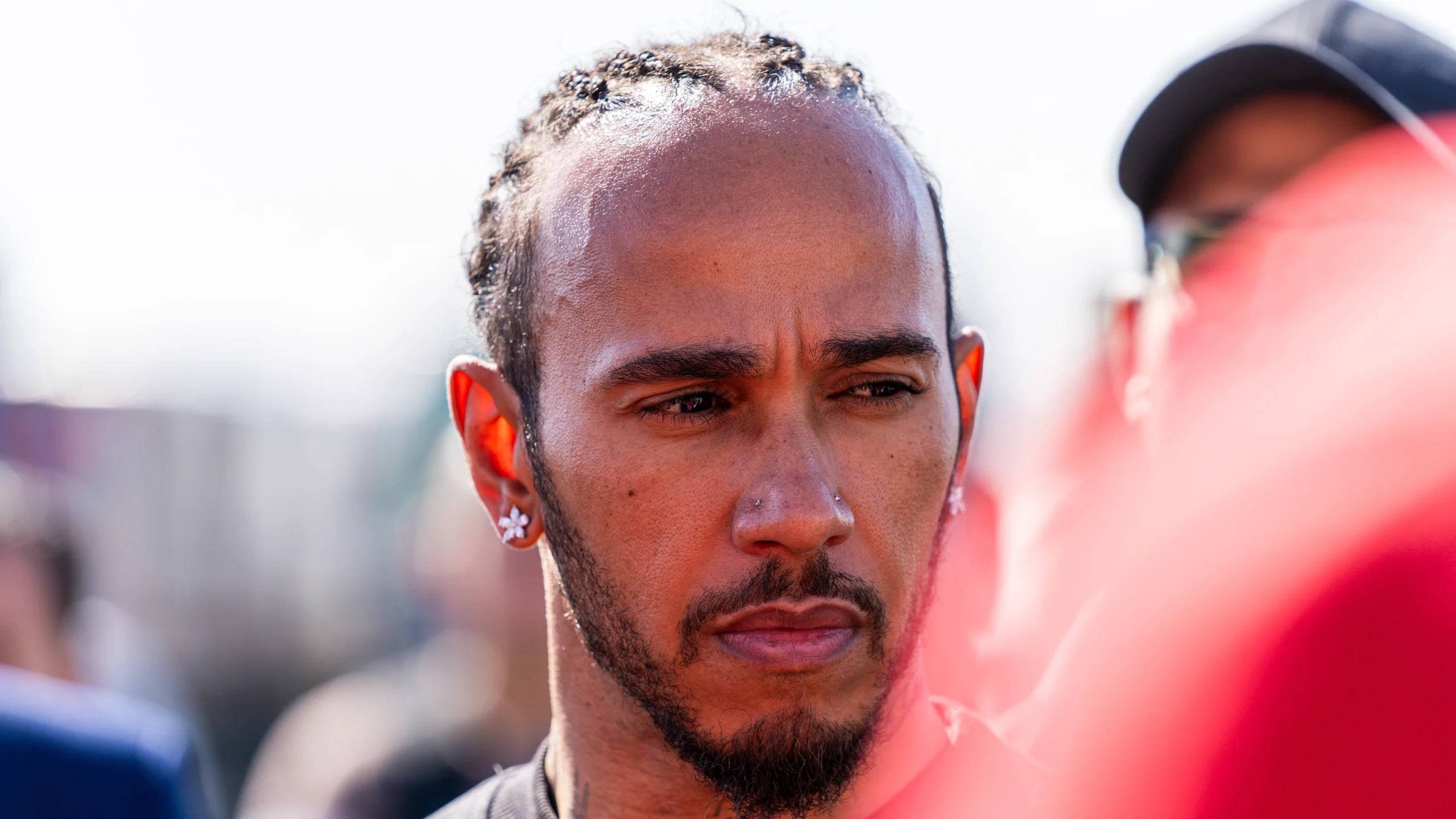
Lewis Hamilton shares three ideas to boost diversity in F1 in an important report
Lewis Hamilton has called on F1 leaders to do more to make the sport more diverse in a new report showing some big gaps. Marking five years since he launched Mission 44, his program to help underrepresented groups in motorsport, the seven-time champion highlighted three clear steps F1 can take—and urged teams to invest millions to make it happen.
This statement comes from a detailed report by Mission 44 on the changes in diversity over the past five years in Formula 1. Six years ago, Lewis started the Hamilton Commission to study the challenges Black people and other underrepresented groups face in motorsport. A year later, Mission 44 was created as a charity to tackle those issues.
Now, on the fifth anniversary, Mission 44 has released a new report reviewing progress. Hamilton shared his thoughts on where F1 stands today. While he’s grateful for the diversity efforts made so far, he believes there’s still a lot to improve.
“When I walk through the paddock now, I see more women, more Black and Brown faces, more people who look like the fans in the grandstands than ever before,” he said. “That’s encouraging, and the people working on this deserve credit. But there’s still so much to do. We’ve opened the door, but we don’t know how many people walk through or stay. This sport measures everything to the thousandth of a second—we can measure this too.”
Hamilton’s big concern is that F1 doesn’t have a clear way to track if Mission 44 and other diversity programs are truly making a lasting difference. He’s now asking F1 leaders to carefully monitor what’s happening inside the sport to see if it is really becoming more diverse and equal.
“To every team boss, chief executive, and the leaders of Formula 1 and the FIA: let’s put the three recommendations in this report into action,” Hamilton said. “Track who joins, who gets promoted, and who stays, and celebrate best practices. Take funding for people development out of the cost cap and invest together in the talent pipeline. Fix the front door and openly share the paid opportunities available each year. None of this is beyond a sport that already knows how to measure, improve, and aim high.”
The report explains that F1 doesn’t collect solid data on the whole motorsports workforce—only on the activities done for social impact. Teams even define underrepresented groups differently, so it’s hard to compare numbers. Five years ago, the Hamilton Commission asked how many Black people worked in motorsport. Today, the sport still doesn’t know the exact number or if it has grown.
To fix this, the report suggests F1 invests at least £50 million over five years to help young people from underrepresented backgrounds get into and stay in motorsport careers.
F1 already has some diversity programs. All 11 teams, along with the World Championship and FIA, have signed a Diversity and Inclusion Charter. Since 2021, 10 students a year have been supported by F1’s Engineering Scholarship, and half a million young people in 71 countries have taken part in education and community programs focused on STEM and motorsport.
Lewis Hamilton’s message is clear: while progress has been made, there’s a lot more that can be done—and it’s time for F1 to step up and make it happen.