

Why boxers are given medical breaks after fights and how long these breaks usually last

Medical suspensions are an important part of professional boxing, helping protect fighters’ health. But how long do they last, and when do they apply?
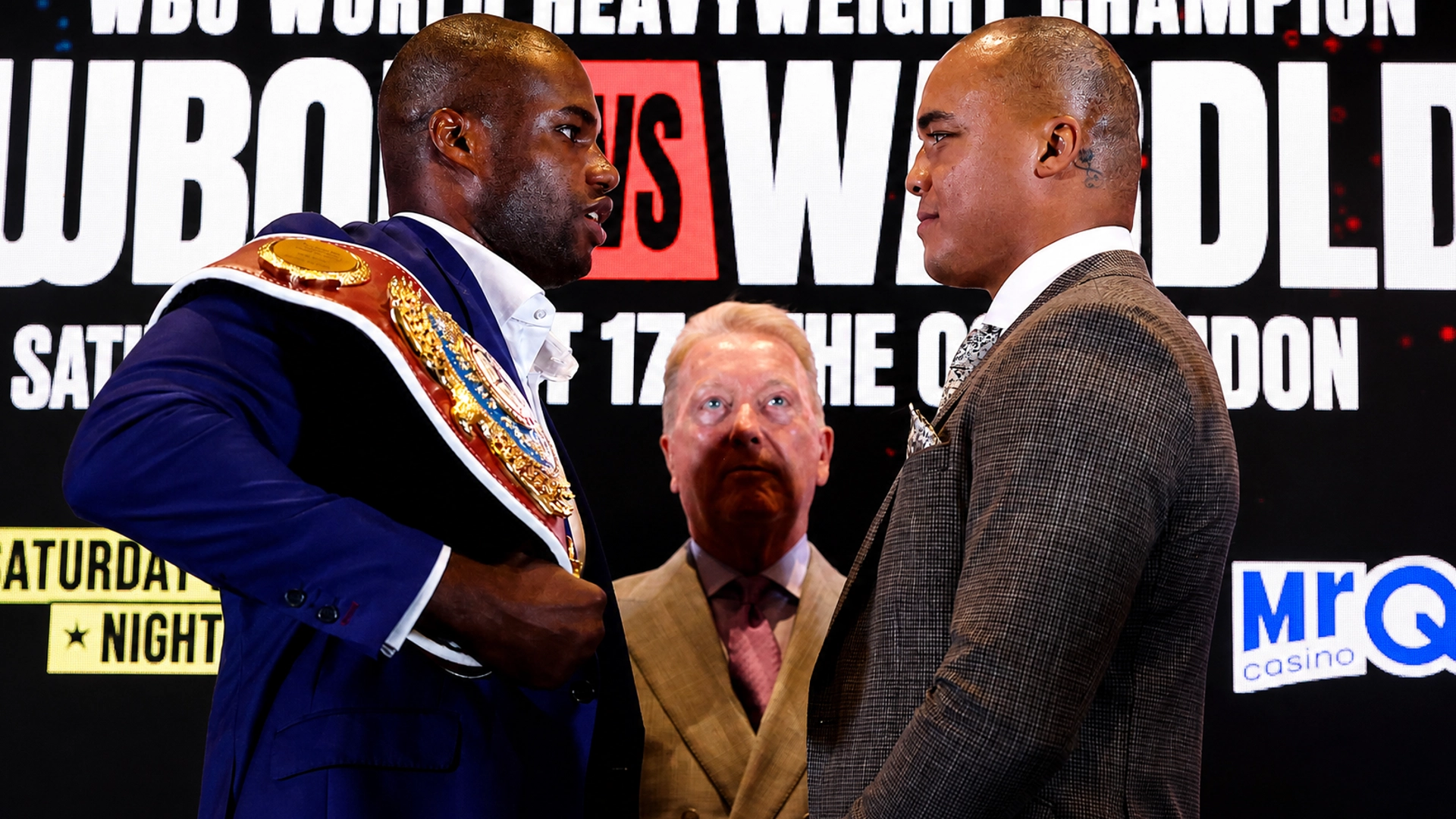
On Saturday 17 October at the O2 Arena, WBO world heavyweight champion Daniel Dubois will defend his title against fellow Brit Fabio Wardley. This fight is a rematch of their intense 11-round battle earlier this year, after which Wardley was automatically medically suspended because the referee stopped the fight with a TKO.
Some people might think suspending a fighter after a loss or even a big win is unfair, but these suspensions are all about health, not punishment.
Medical suspensions give boxers time to recover properly before they step back into the ring. Usually, suspensions happen after a knockout or injury, but they can also follow tough, back-and-forth fights that result in concussions.
The length and conditions of suspensions can vary depending on the injury and the boxing commission overseeing the fight. Sometimes boxers may be banned from sparring as well as competing.
In the UK, the British Boxing Board of Control (BBBofC) usually sets suspensions of 28 or 45 days after a knockout or stoppage. However, the ringside senior medical officer can decide to make it longer if needed. During this time, the boxer cannot fight or spar unless they get written permission from the Board.
A fighter can only return to the ring once they are medically cleared, even after the suspension ends.
One of the biggest risks in boxing is head trauma since concussions are common, especially after knockouts. Fighters often feel disoriented for hours after a fight, and it can take weeks to fully recover.
A well-known example is the 1991 fight in the UK between Chris Eubank Sr and Michael Watson. Watson suffered a brain hemorrhage and serious brain damage after the fight, showing how important proper medical care and protocols are.
Because of cases like this, the BBBofC has strict rules. According to their regulation 5.8, a boxer stopped by the referee, retiring from the fight, or being counted out will usually face at least a 28- or 45-day suspension. This rule doesn’t apply to disqualifications.
The Association of Ringside Physicians also recommends checking both fighters’ health immediately after a fight and again later in a quiet setting.
Suspensions aren’t just for head injuries. Cuts, eye problems, broken bones, or other injuries can also keep a boxer from competing. The BBBofC can suspend a boxer if a doctor finds them unfit for any medical reason.
There’s no set suspension length for all injuries — it depends on the severity and what doctors find during exams and scans.
Besides these longer suspensions, the BBBofC also requires boxers not to fight within six clear days of a previous match, no matter the result. Even if a boxer wins, repeated hits to the head mean they still need time to recover.
So yes, a winner can be medically suspended too. After the fight, doctors check both fighters and decide who needs to rest and recover, no matter who won or lost. Just because someone won doesn’t mean they escaped injury.
The BBBofC clearly says medical officers can give or extend suspensions whether a fighter wins, loses, or draws. For example, after Chris Eubank Jr beat Conor Benn in April 2025, both fighters were suspended because it was such a tough fight. The board said both needed medical clearance before boxing again.
An indefinite suspension means there’s no set time for a boxer to return. It doesn’t mean they’re banned forever, just that they can only come back once they provide the required medical proof, like tests or specialist clearance. Some suspensions include a time period plus “until cleared,” so the boxer can sometimes return sooner if they meet the medical requirements.
Usually, a boxer cannot come back before the suspension ends and must be medically cleared. This decision depends on the rules and the commission in charge.
Doctors handle exams and medical certificates, but it’s the boards and commissions that decide when a boxer is fit to return.
The BBBofC requires boxers to complete their suspension, be certified fit, and submit a written fitness certificate at least 36 hours before fighting again.
The Association of Boxing Commissions (ABC) says only the commission that suspended a boxer can clear them to return.
One common misunderstanding is that medical suspensions are disciplinary bans, but they’re not. They’re there to keep fighters safe and assure they fully recover before getting back in the ring.
Disciplinary bans are different — they’re for things like doping, bad conduct, or breaking rules and may require hearings or other steps before a boxer can come back.
In short, medical suspensions are about helping boxers stay healthy, so they’re ready and safe for their next fight.