
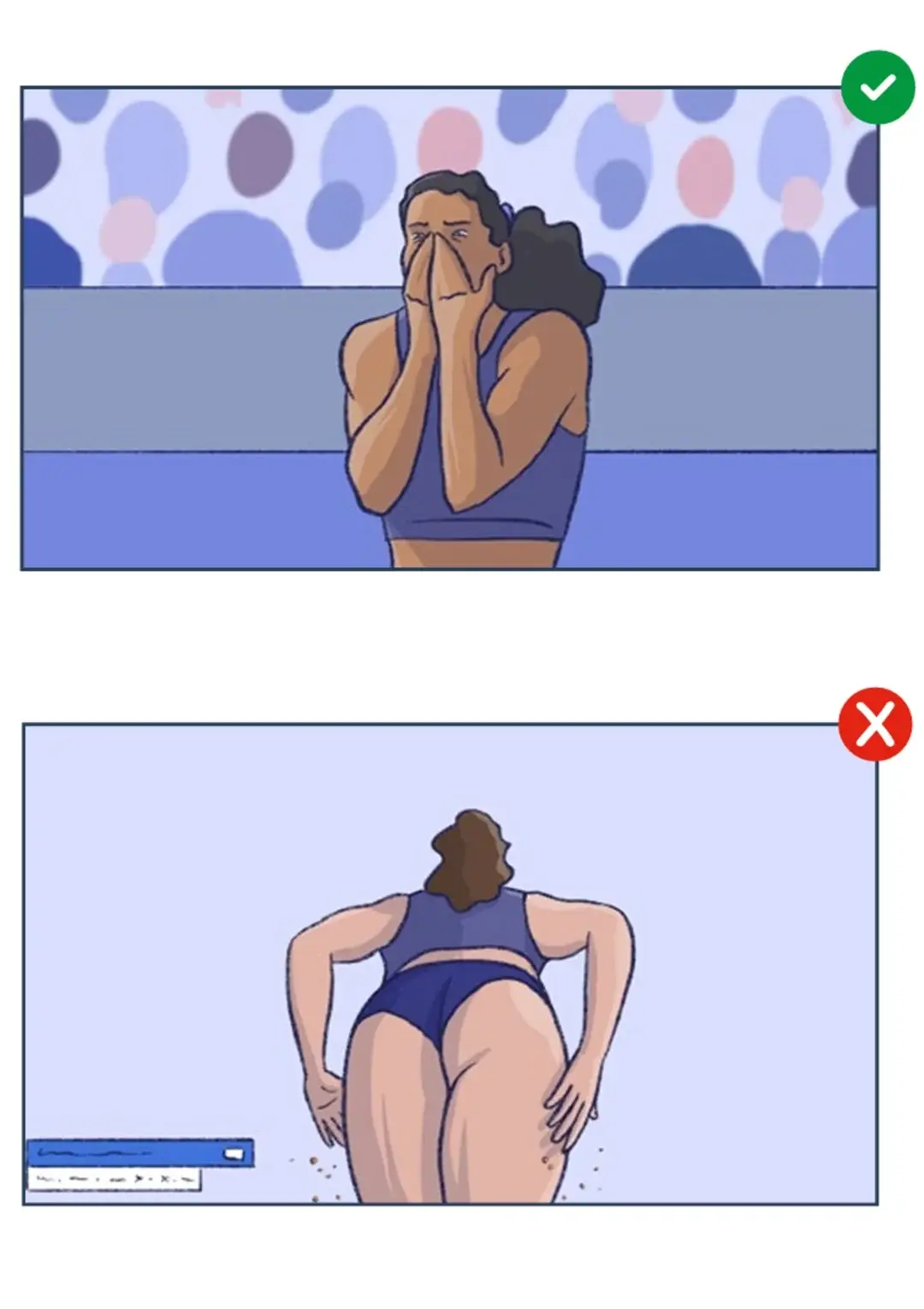
European Athletics stops ‘sexualised’ camera angles after people spoke up
European athletics broadcasters have been encouraged to avoid certain camera angles that might make female athletes appear overly sexualized. A 23-page guide called ‘Raising the Bar’ was recently shared, showing examples of angles to steer clear of. This effort comes from a partnership between the European Broadcasting Union (EBU) and European Athletics to promote respectful coverage.
From now on, broadcasters are asked to skip low-angle and revealing shots of women athletes, as well as long slow-motion replays. Instead, the focus should be on the athletes’ performance, skills, and emotions, using wider shots that tell a better story.
Glen Killane, Executive Director of EBU Sports, explained that some camera angles can unintentionally reinforce harmful stereotypes. The guide was created with help from athletes Holly Bradshaw, Ivana Spanovic, and Blanka Vlasic, who shared their own experiences competing at the top level.
Killane said, “The sexualization of women athletes through certain camera angles and editing is still a big concern in sports broadcasts. Shots that linger on bodies, low cameras showing revealing views, or slow-motion replays without a clear purpose take attention away from athletes’ amazing skills and achievements. This also affects the athletes themselves, who have spoken out about how uncomfortable it can be.” He added that the guide aims to raise broadcasting standards so coverage better respects women athletes’ strength, skill, and hard work.
Dobromir Karamarinov, president of European Athletics, called the filming guidelines “an important step” to stop harmful portrayals while keeping high-quality storytelling.
British pole vaulter and Olympic medalist Holly Bradshaw opened up about how much these camera angles can affect athletes. She shared that she’s even faced social media abuse and has seen upsetting slow-motion clips of herself. “Athletes want to enjoy their sport without feeling uneasy about what’s being shown live,” she said. “Sometimes, we focus more on the cameras than our performance because of how they film. There are so many ways to show how impressive our sports are, but too often the shots zoom in on moments that don’t show us in the best light.”
The guide includes visual examples of good and bad angles for events like pole vault, long jump, and running. It advises that camera operators should avoid low angles from underneath because they often create awkward images. It also suggests staying in front of the athlete when possible and avoiding very tight shots, especially during final preparations.
The EBU hopes the guidelines spark a conversation among broadcasters, directors, camera crews, and athletes, and sees this as a positive start rather than just a list of rules.