
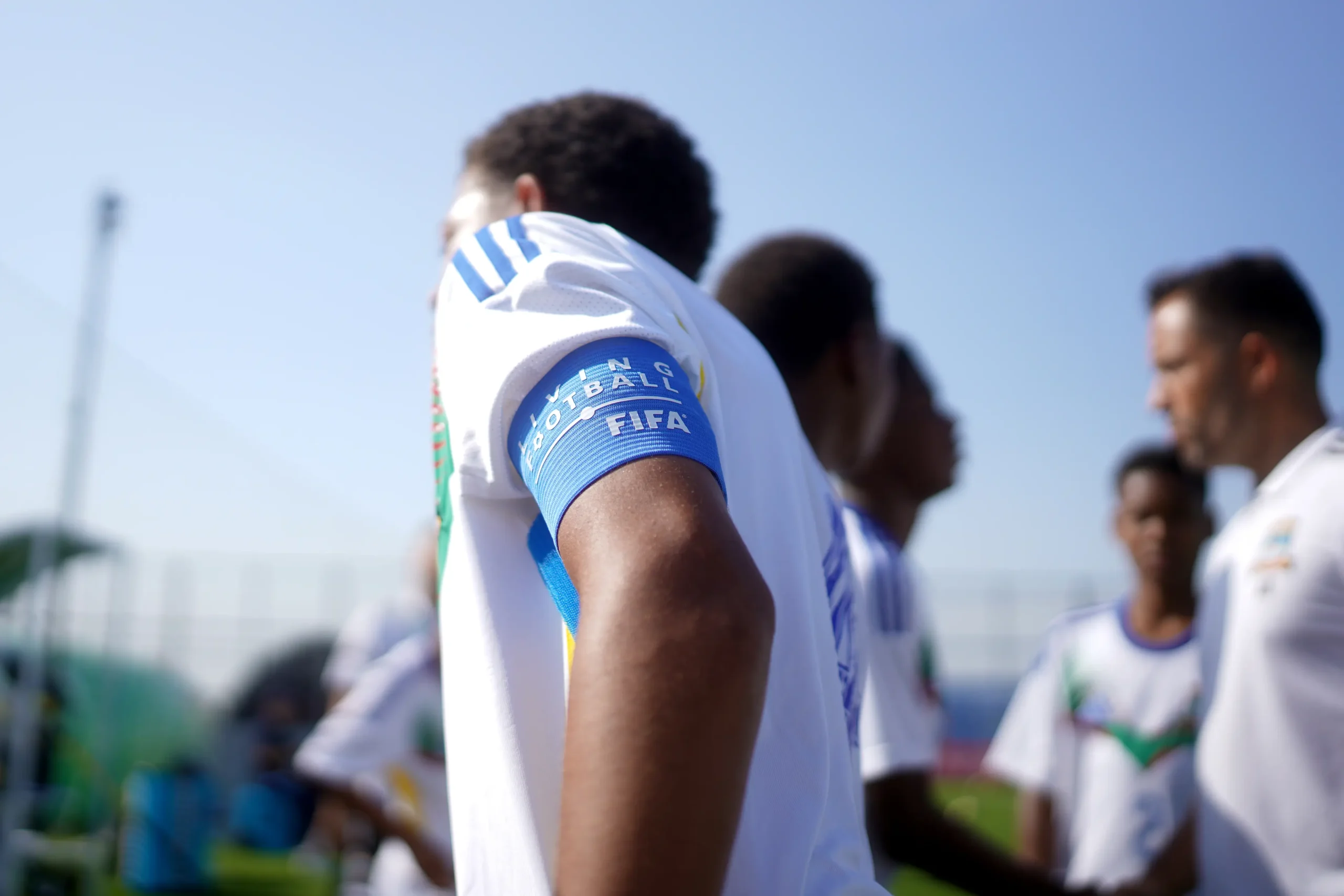
FIFA is trying out three new rules at the under-15 World Cup that could change the game forever.

FIFA made some exciting changes at the under-15 World Cup to encourage faster, more exciting football and give players more chances to touch the ball. The very first under-15 World Cup & Festival was held in Azerbaijan last month, with 189 teams from six different regions: UEFA, CAF, AFC, CONCACAF, CONMEBOL, and OFC.
In the end, Spain won the tournament, beating Czechia 3-0 in the Tier A final, thanks to goals from Tiago Polo, Bruno Fernandez, and Adrian Bielsa. The whole week was full of great football, with 4,505 goals scored in 932 matches—an average of about 4.83 goals per game!
FIFA wanted to make the games more lively and introduced three new rules. One big change was allowing unlimited substitutions instead of just five. This meant more players could take part and coaches could better manage their teams’ energy. Throw-ins were replaced by kick-ins to keep the game moving faster and give players more chances to develop their skills. Lastly, the offside rule was changed so players could only be called offside once they entered a special attacking zone, marked 14 meters from the opponent’s goal.
Arsene Wenger, FIFA’s head of global football development and former Arsenal manager, shared why these changes were made. He said, “At this age, playing meaningful games against different opponents is key for young players to grow. Talent is everywhere but not all kids get the same chances. This tournament helps players from all over the world compete, learn, and improve.”
The tournament featured players born in 2011 or 2012, playing eight-a-side matches in two 20-minute halves on smaller fields (68 by 47 meters), but with full-size goals. Each team had 14 players and up to six staff members. The competition started with a round-robin stage before moving into a tournament format with six tiers, each crowning a winner.
FIFA explained their reasons for these big changes: “Our goal is to promote fast, skill-focused football. Smaller teams, unlimited substitutions, and kick-ins will help players get more touches and develop technically. Shorter games also let players gain experience against different opponents.”