
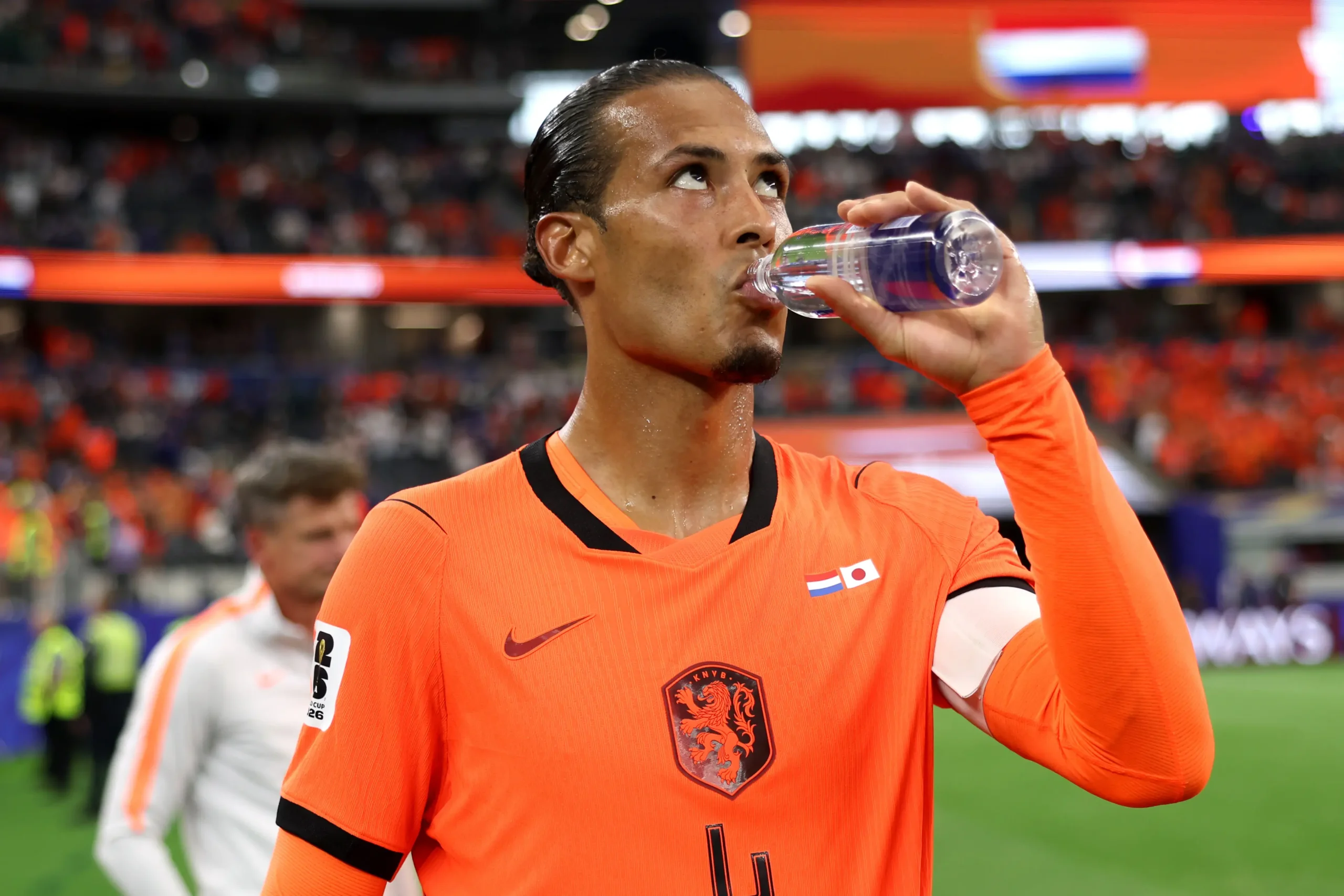
Virgil van Dijk is the first player to speak up about hydration breaks at the World Cup.
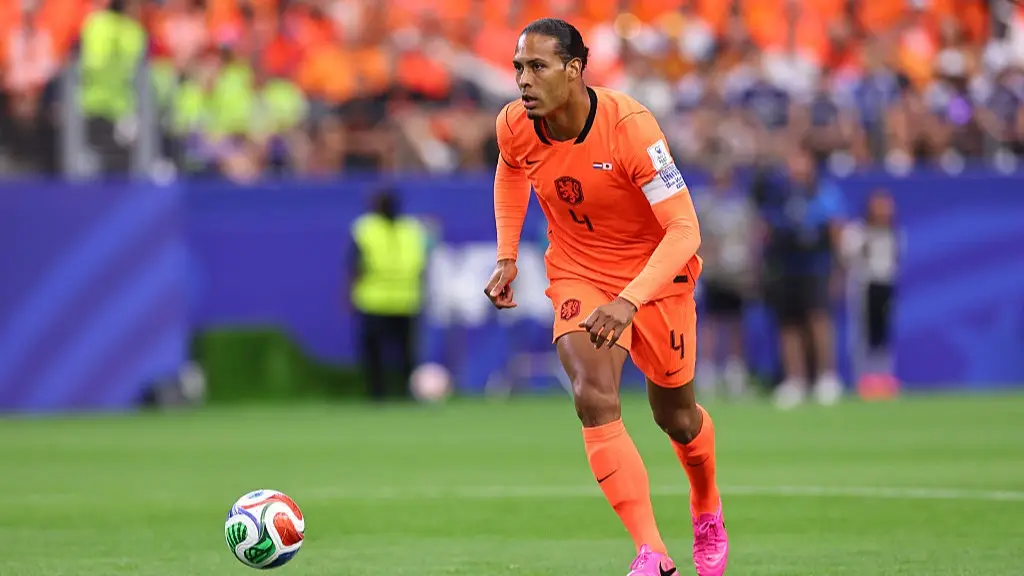
Netherlands captain Virgil van Dijk is the first player to share his thoughts on the new hydration breaks introduced during World Cup games.
The Oranje kicked off their 2026 World Cup journey against Japan in Arlington, Texas, on Sunday (June 14), with coach Ronald Koeman picking several well-known players. Brighton’s Bart Verbruggen was in goal, and his teammate Jan Paul van Hecke stood alongside Van Dijk in defense. Spurs’ Micky van de Ven played left-back.
In midfield, Liverpool’s Ryan Gravenberch and Manchester City’s Tijani Reijnders started, while West Ham winger Crysencio Summerville, former Aston Villa striker Donyell Malen, and Cody Gakpo were among nine starters who have Premier League experience.
After a quiet first half, the game picked up right after the break when Van Dijk scored with a header. Japan quickly equalized six minutes later through Keito Nakamura. Summerville’s curling shot gave the Netherlands the lead again at 65 minutes, but the match ended 2-2 after Crystal Palace’s Daichi Kamada scored near the end.
Despite the exciting second half, Van Dijk was asked about the hydration breaks, which are new to this tournament. These three-minute breaks happen halfway through each half, no matter the weather, to help players rehydrate. Referees stop the game around the 22nd minute for the break.
Some players and coaches don’t love these breaks, and Van Dijk is one of them. Speaking in Dallas Stadium, he said, “I think hydration breaks are really interesting. I’ve watched almost all the games so far. I don’t like when there’s a commercial break during the match—it’s not great for fans watching on TV either. If it’s really hot, they make sense. But I think every game should be looked at individually. I’ve said enough on that.”
The Netherlands will play Sweden on June 20.
Van Dijk isn’t alone; former Liverpool coach Jürgen Klopp also thinks these breaks interrupt the game’s flow. On German TV channel ZDF, Klopp said the breaks are “just a fancy setup for sponsors” and questioned who the World Cup really serves—the fans, players, or advertisers? He added, “A World Cup match should flow like a river, but now there are stops for commercials. Football used to be the main show, but now it feels like background music for ads.”