
What you can (and can’t) see on TV after European Athletics limits ‘sexualized’ coverage
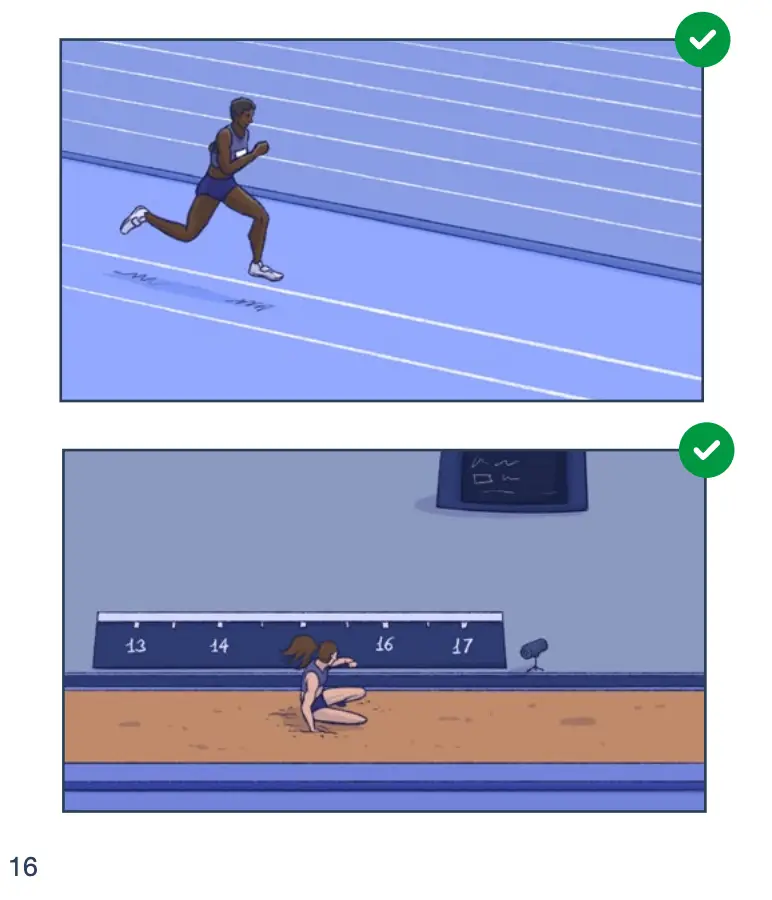
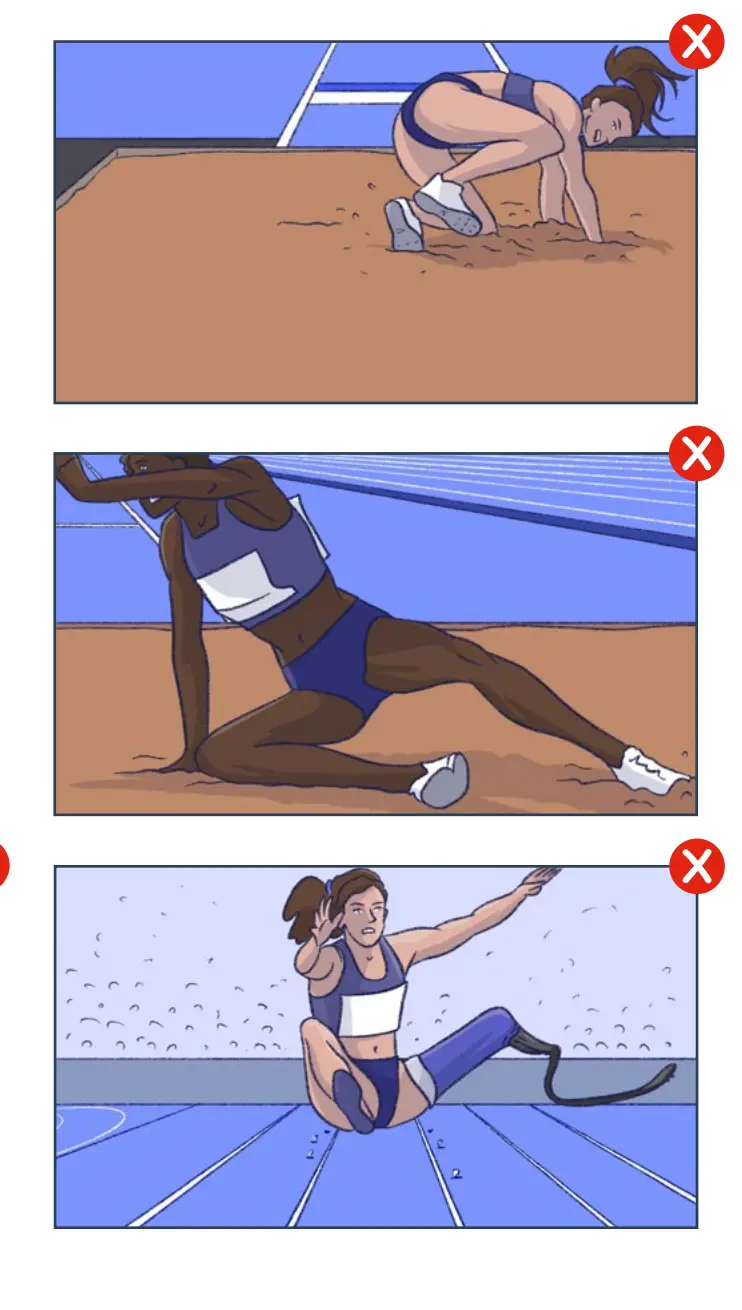
Earlier this week, broadcasters covering European athletics were asked to be more careful with camera angles that might sexualize women athletes. Here’s a clear guide on what can and can’t be shown on TV.
The European Broadcasting Union (EBU) worked closely with women athletes to create guidelines aimed at avoiding unnecessary and inappropriate camera shots during events.
Holly Bradshaw, an Olympic bronze medalist in pole vault, was one of the athletes who helped the EBU. She has received abuse and nasty messages on social media because of certain camera angles that made her look sexualized.
“How our sport is shown on live TV can be very powerful but sometimes harmful for the women competing and those watching,” Bradshaw said. “I’ve seen slow-motion clips online of myself and other athletes in undignified positions, which isn’t respectful. Sometimes athletes even get distracted by the cameras instead of focusing on their performance.”
Serbian Olympic long jumper Ivana Spanovic also shared her thoughts, saying that some camera angles not only make athletes feel uncomfortable but can also affect their mental health in the long run.
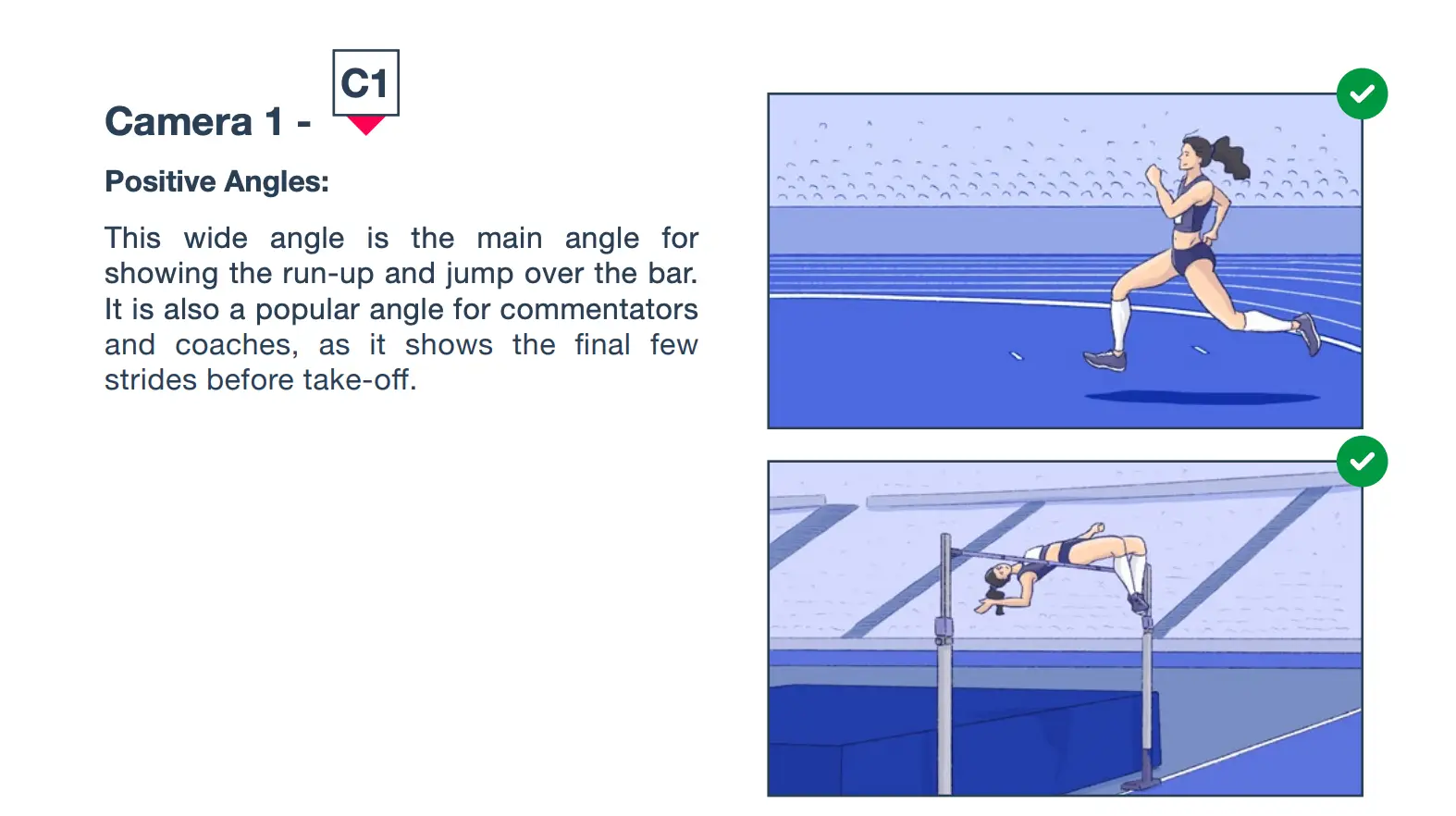
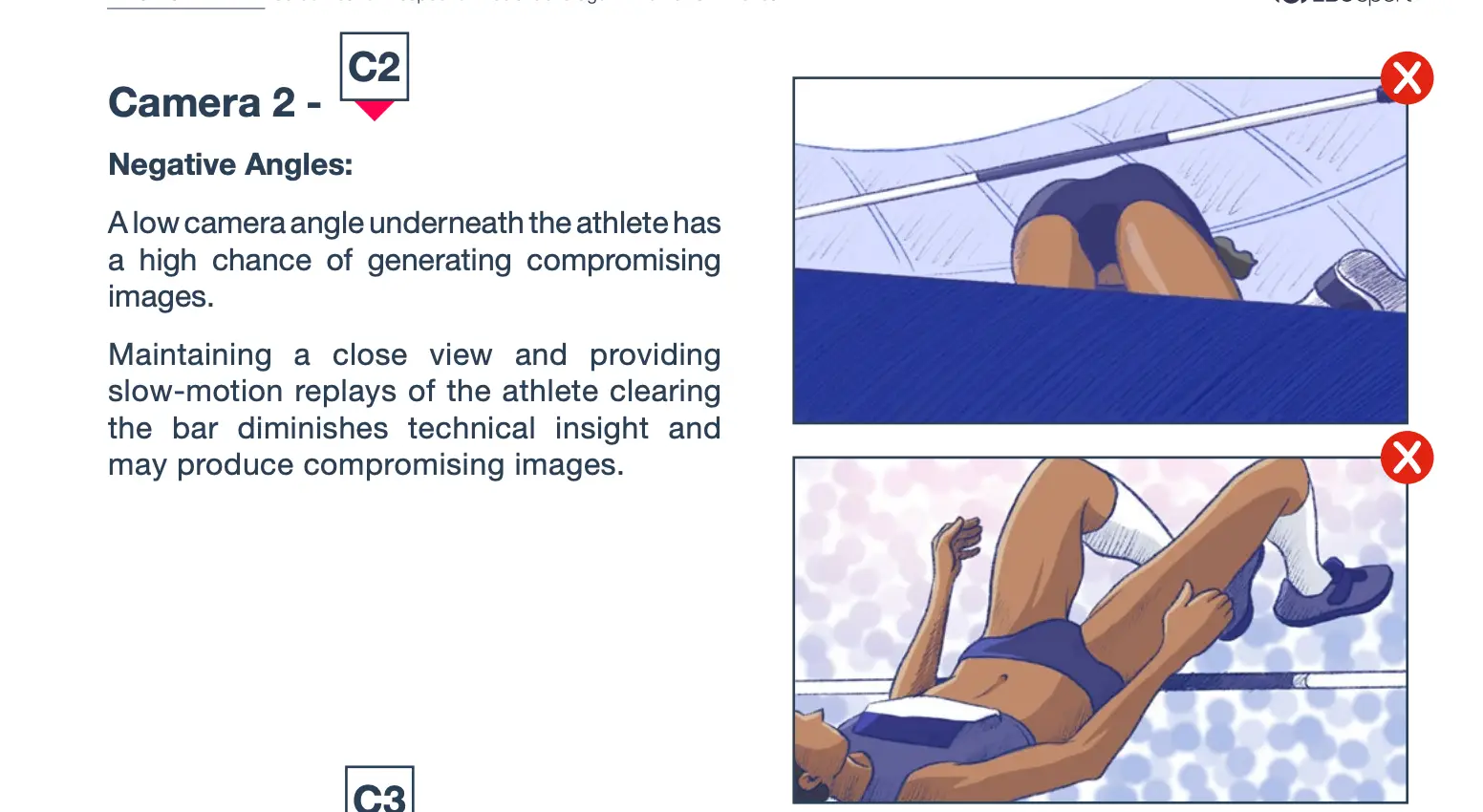
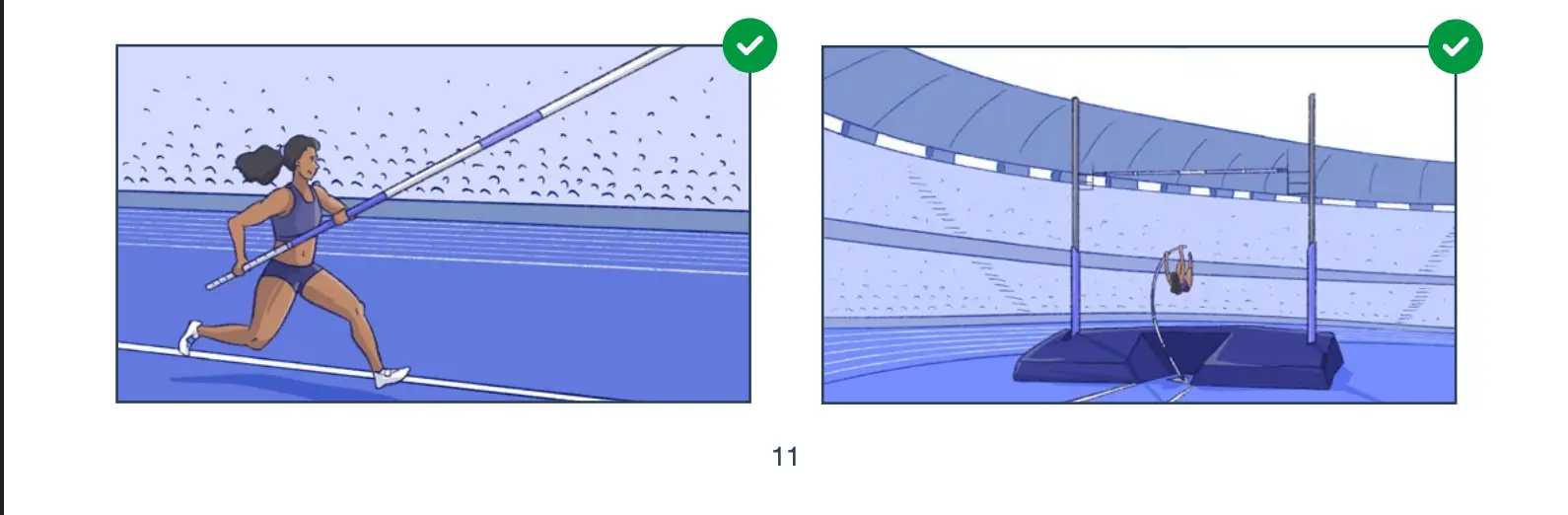
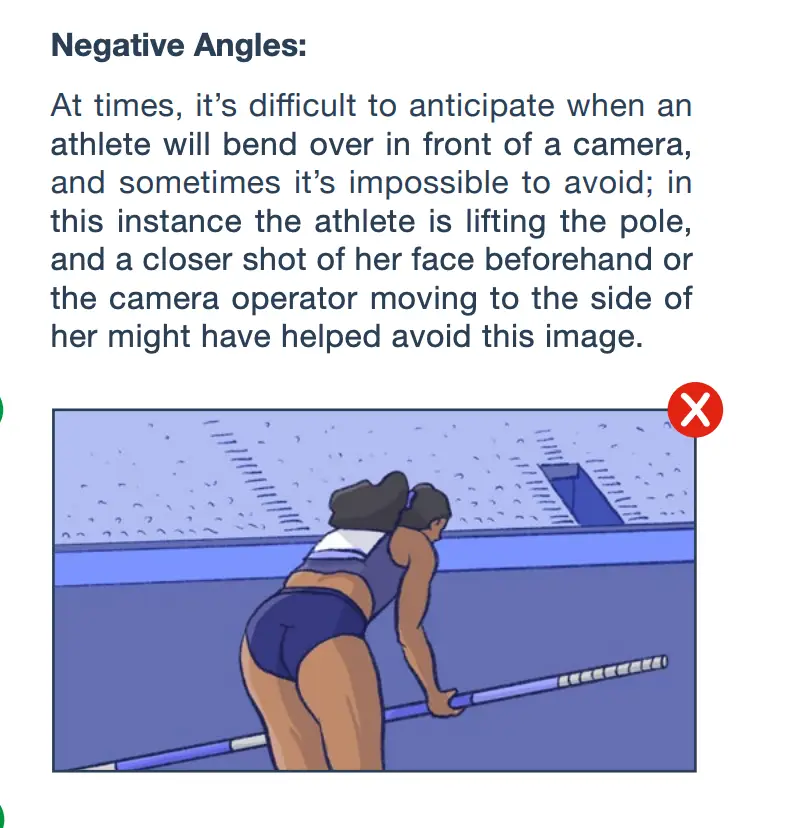
Broadcasters now have a 23-page guide called ‘Raising the Bar’ that explains which camera angles are okay and which should be avoided. It covers four events: high jump, pole vault, horizontal jumps, and running.
For example, shots looking up from below an athlete’s pelvis often create unflattering images. Instead, it’s better to film from the front or avoid very close-up shots.
These new rules might start as soon as August 10, when the European Athletics Championships kick off in Birmingham. Some other events, like the Diamond League meet in London on July 18, might follow the guidelines too, but since they aren’t run by the EBU, they don’t have to follow the rules exactly.
The goal is to help everyone enjoy the sport while respecting the athletes and how they’re shown on screen.