
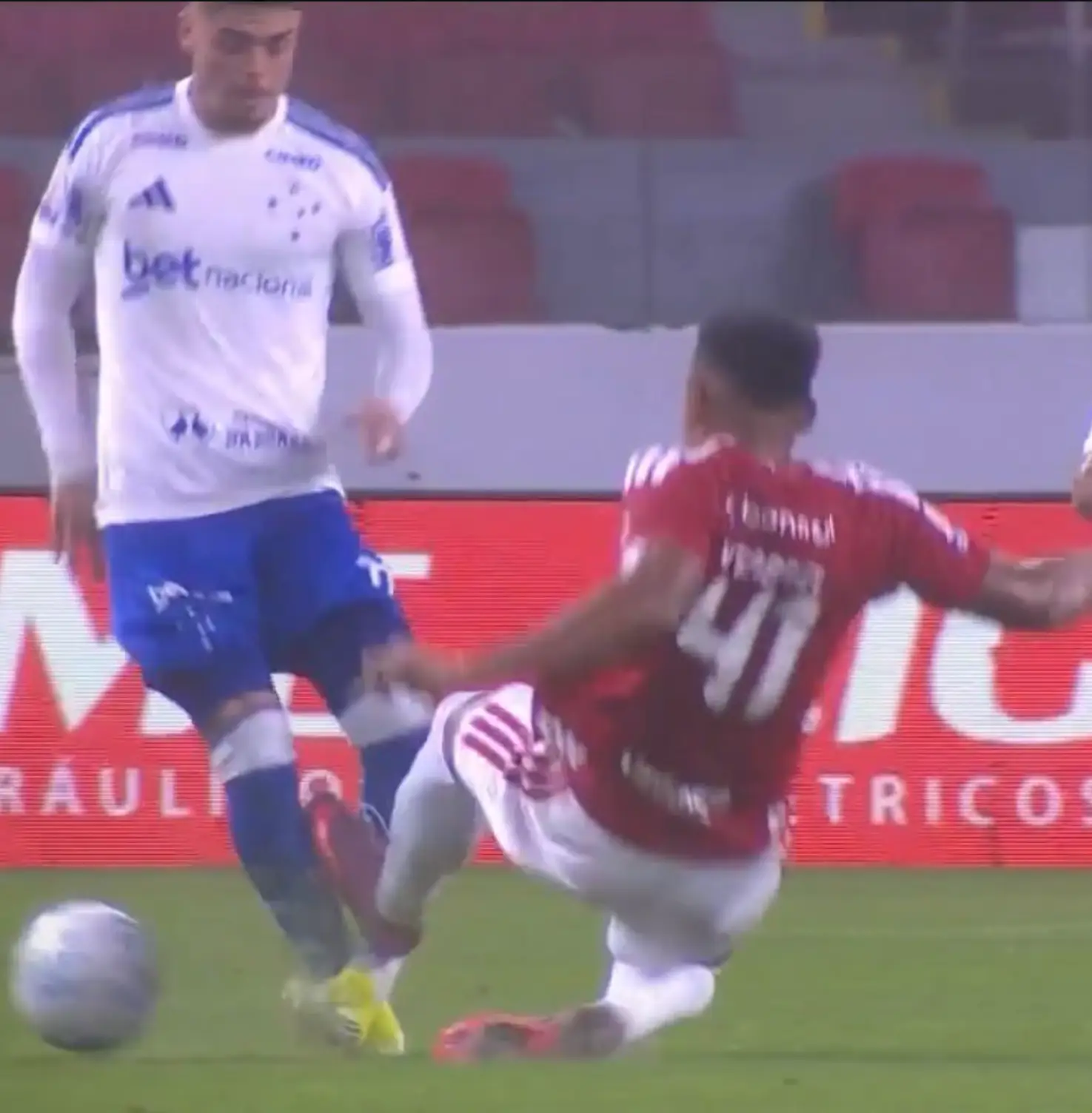
Brazilian soccer player faces big suspension after unusual decision over scary tackle on opponent
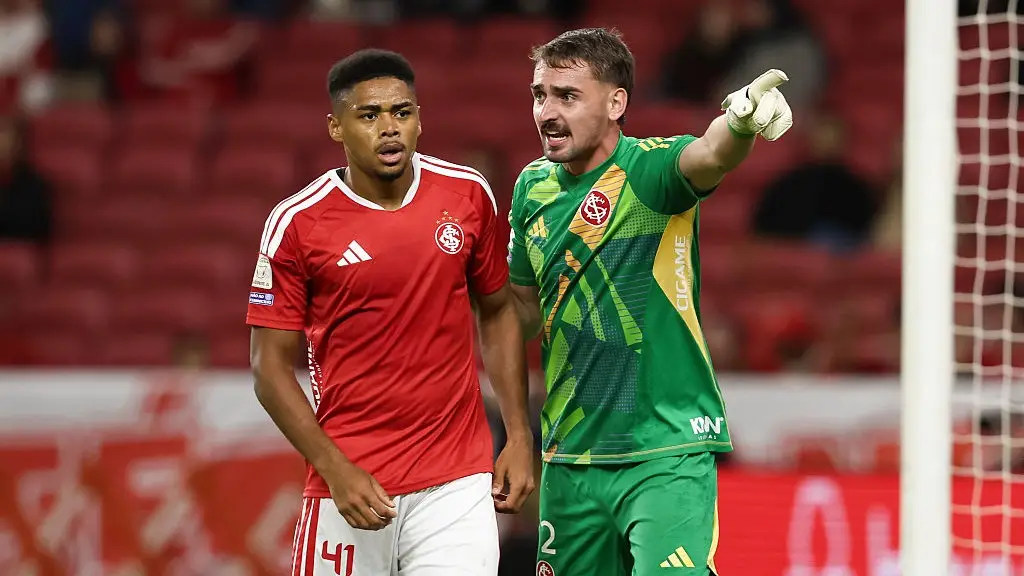
Internacional defender Victor Gabriel has been given a rare and tough ban after a mistimed challenge left Cruzeiro forward Gabriel Pec with a fractured left shin.
This happened during a Serie A match on July 22, where Cruzeiro won 2-1. The game was sadly marked by the scary tackle, which left Pec, who was playing his first game after moving from LA Galaxy, in a lot of pain with bleeding on his leg. Gabriel was shown a straight red card right away.
Pec has had surgery since then. On his Instagram, he shared a message saying: “The surgery went well. Thanks to God, none of this would be possible without Him. I’m grateful for the doctors Sergio, Rodrigo, and Gustavo. Thank you to all my family, friends, fans, and staff for the kind messages. Even in this tough time, I’m keeping my faith in Christ. He is my strength and peace. I’m working hard to heal quickly so I can get back to what I love. My dreams are still alive.”
On July 29, Brazil’s Superior Court of Sports Justice decided that the usual three-match ban was too light. Instead, Gabriel will be suspended for up to six months, or until Pec is ready to train again. The court said: “The player can stay suspended until the injured player can train, with a maximum limit of 180 days.” This ruling could still be appealed.
During the hearing, Gabriel said he had apologized to Pec and asked for forgiveness. “It was just a very unfortunate accident,” he said. “I told him I was sorry, offered my help, and asked for his forgiveness. I did not mean to hurt him and prayed for him.”
Reuters reported that the court questioned the evidence Internacional provided, which included audio from the match’s VAR. The club then asked for the audio to be ignored, saying its accuracy wasn’t proven.
Internacional released a statement saying they did not intend to act badly in the case: “Both our law firm and Internacional confirm we never meant to act in bad faith during this process. However, we admit there was a mistake in how some evidence was used, and we immediately asked to have the audio removed from the case.”