
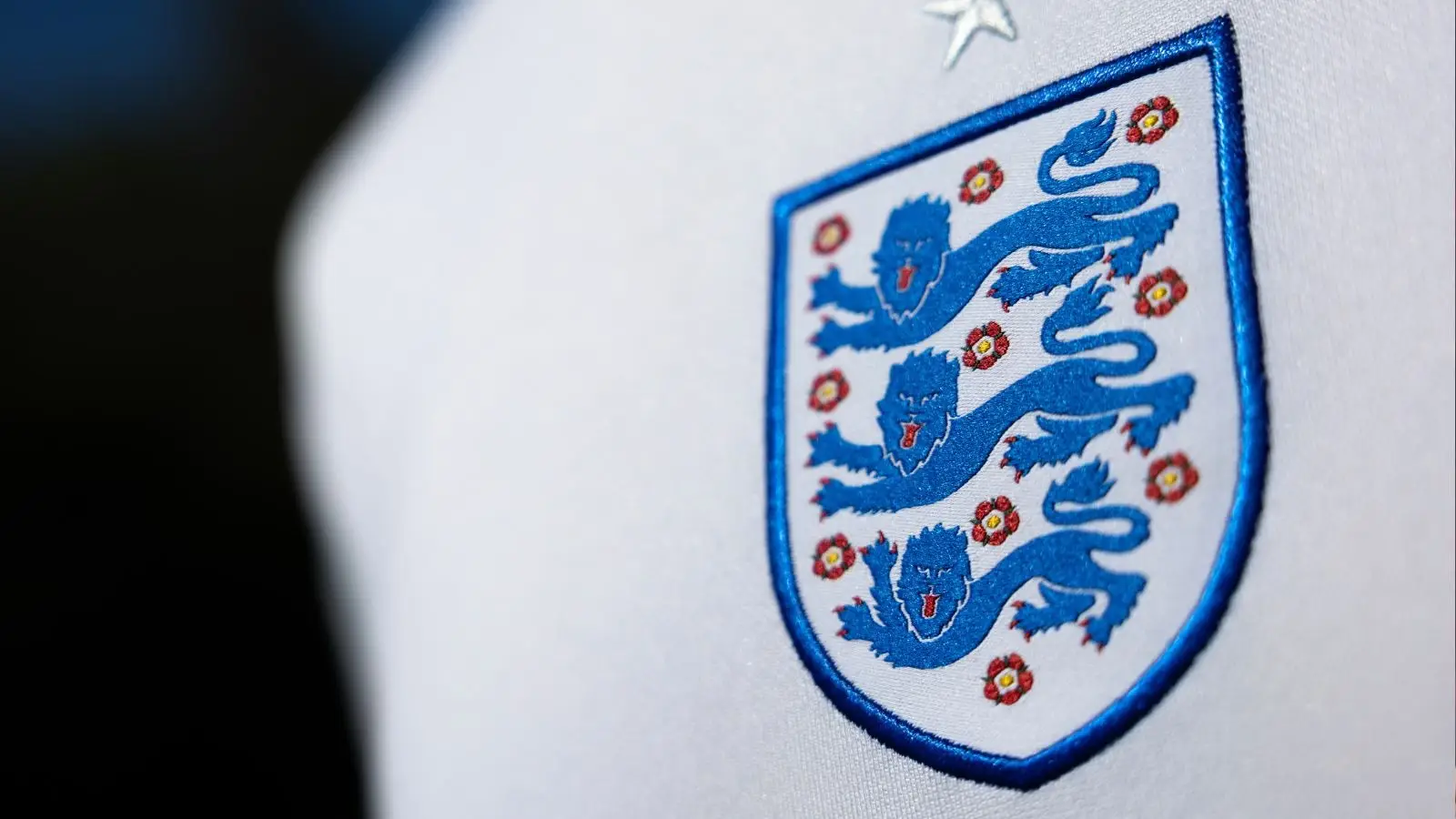
Discover the hidden details and symbols in the England badge, including why it features three lions!
We’ve all heard the famous words, “Three lions on a shirt, Jules Rimet still gleaming,” especially when England’s hopes in big football tournaments start to grow. But there’s actually more to the Three Lions badge than most of us realize.
It’s that exciting part of the international football cycle when everyone’s pride for England shines brightest. Whether in pubs, homes, or group chats, fans come together to cheer on the team.
The 2026 World Cup is almost here, and the first match has England, coached by Thomas Tuchel, facing Croatia in a tense group stage game.
While there’s always talk about which player should wear the number ten jersey, the numbers don’t really matter as much as the badge on the front of the shirt.
Before the World Cup kicks off, some interesting secrets about the badge have come to light. Each of the three lions actually has its own special meaning, and so do the roses.
The badge has been a part of England’s kits since way back in 1872 during a match against Scotland, making the three lions a proud and lasting symbol.
According to The Sun, each lion represents a piece of history. The first lion honors King Henry I, known as the “Lion of England.” He ruled from 1100 to 1135 and added a lion to England’s Royal Arms.
The second lion also ties back to Henry I. After marrying Adeliza of Louvain in 1121, he added a second lion to honor his father-in-law, Godfrey I, Count of Louvain.
The third lion joined the badge 30 years later, when King Henry II, Henry I’s grandson, married Eleanor of Aquitaine in 1154 and included a lion to honor her family.
Even though the lion is a popular royal symbol (think Richard the Lionheart), no more lions have been added to the coat of arms since then.
The only other addition to the badge is the 10 roses. These Tudor roses represent the House of Tudor and the War of the Roses (1455-1487), and were added in 1948 to celebrate the unity of the 10 divisions of Football Association members after World War II.
While we often think of England’s flag with the St. George’s cross, it’s the three lions and ten roses that the whole 26-player squad will proudly wear on their shirts for the 2026 World Cup. And they’ll be aiming to start their tournament under Thomas Tuchel with a big win!