
Fans of World Cup teams could face penalties for not following FIFA’s strict rules.
Before the 2026 World Cup, FIFA made it clear that any political, offensive, or discriminatory items—like flags, banners, slogans, or clothing—are not allowed inside the stadiums. This rule was even shown when Haiti had to change their team’s kit because the original design featured the Battle of Vertieres, an important event in Haiti’s fight for independence.
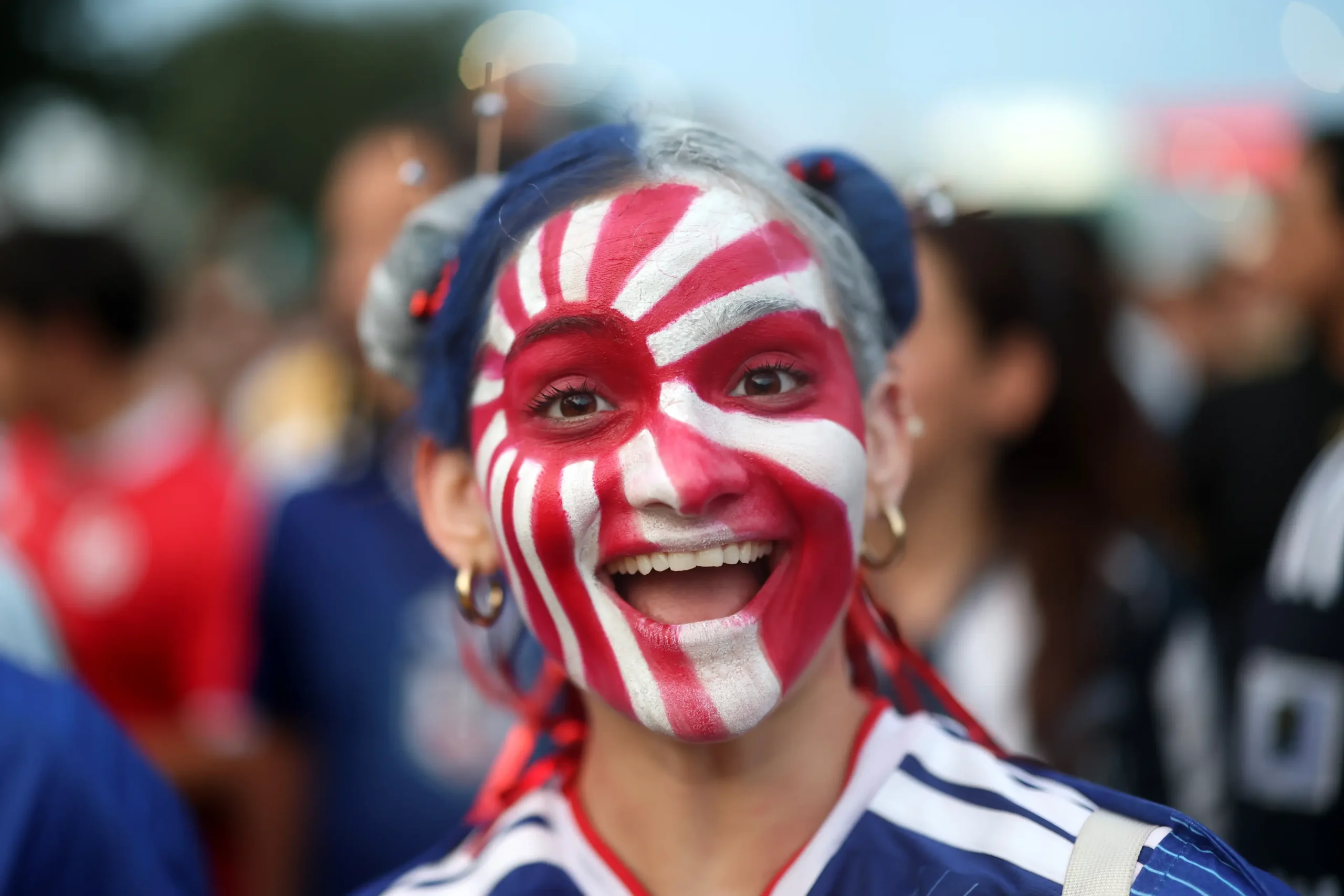
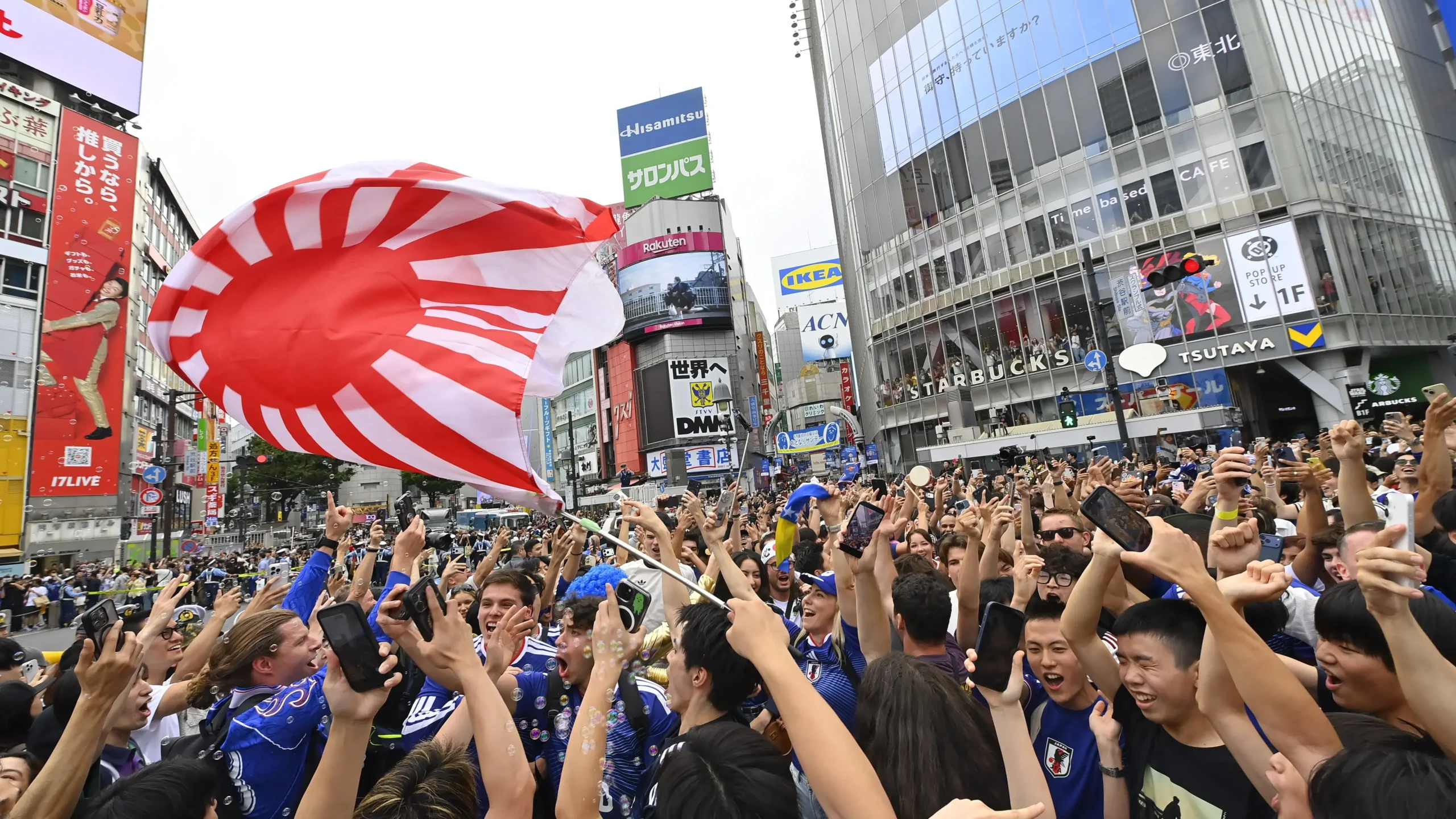
Fans from all over the world were warned not to bring anything political that might cause trouble. But it seems this rule wasn’t fully followed, as a controversial flag showed up during the Japan vs. Tunisia match. The “rising sun” flag was spotted in the stands, causing upset, especially in countries like China and South Korea.
This flag is seen by many as a symbol of Japan’s military actions and colonial rule during World War II, when they invaded several Asian countries. For many people in these countries, the flag brings back painful memories. Because of this, displaying it at international events often leads to controversy.
Reports say that during the 2022 Qatar World Cup, Japanese fans tried to bring the “rising sun” flag into stadiums, but security stopped them right away. This time, after seeing the flag again, Professor Seong-Deok Seo from Sungshin Women’s University filed a formal complaint with FIFA.
He told the media, “It’s disappointing that similar steps weren’t taken at this World Cup. The Rising Sun flag shouldn’t be shown at a tournament meant to bring people together. It’s a painful reminder of war for many Asian football fans. FIFA needs to stop Japanese fans from bringing this flag into stadiums and act quickly to prevent it from happening again. This situation should help everyone understand why the Rising Sun flag is a problem. I will do my best to help stop this flag through ongoing international discussion.”
Overall, the hope is to keep the World Cup a friendly place where everyone feels welcome and respected.